
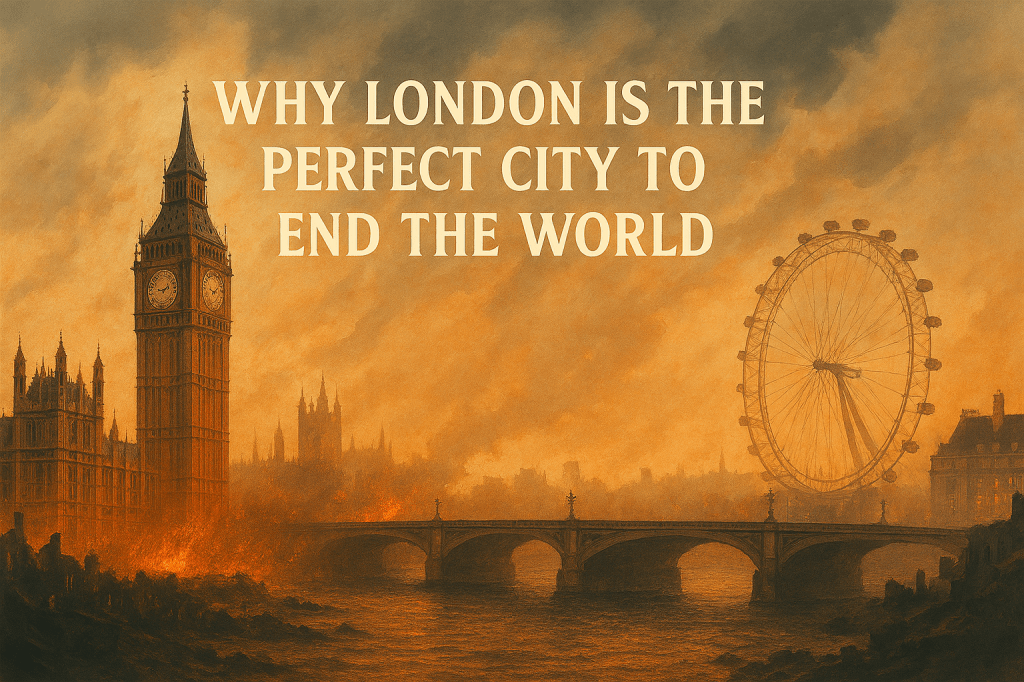
Why London?
London lives in a precarious state of balance. Its ancient building-stones circle the soul of this modern city. The winding river forces the structured metropolis to expand in disjointed patterns. The weather changes in a blink of an eye. Dragons guard its financial vaults. It’s no surprise, then, that storytellers keep choosing it as the place where everything finally comes undone. If you’re going to end the world, you might as well do it somewhere that already feels like it’s survived a dozen endings before breakfast.
This is a city that burns beautifully, collapses theatrically, and resurrects itself with unnerving confidence. London is the perfect stage for the apocalypse because it has always lived with one foot in ruin and the other in rebirth.
A City Made of Myth and Memory
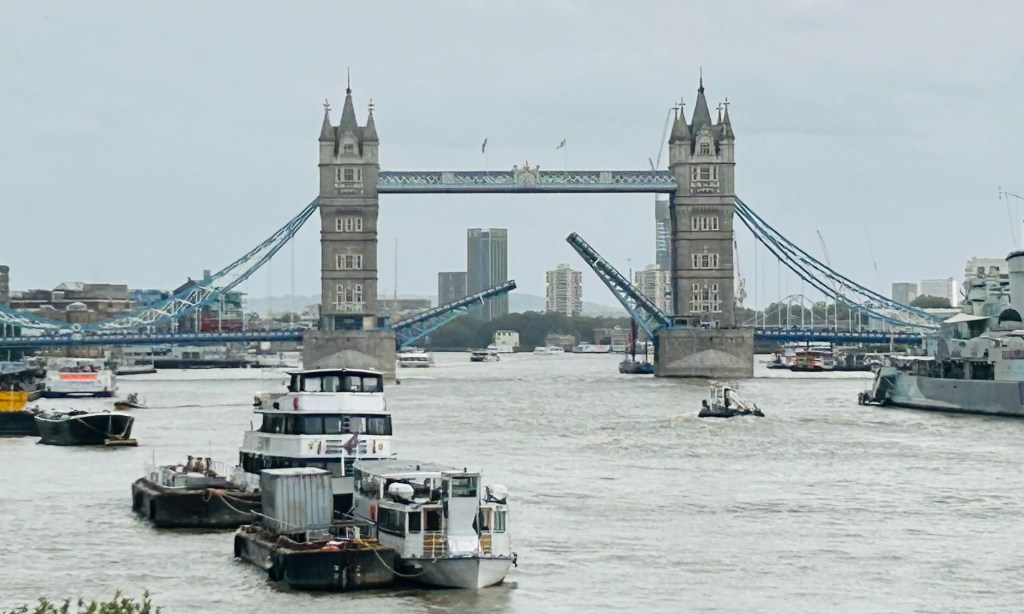
The gateway to London is a river-castle with a drawbridge. London isn’t just a location – it’s a mythic construct. A symbol. A shorthand for civilisation, empire, ambition, and contradiction. When London falls in fiction, it’s never just a city falling. It’s the idea of order collapsing. It’s the centre of gravity tilting.
Every street carries a story. Every district has its own tale to tell. Romans, Vikings, plagues, fires, blitzes – the city is a stack of endings tightly layered on top of each other. Writers don’t need to invent a sense of doom; London provides it for free.
Geography That Invites Catastrophe
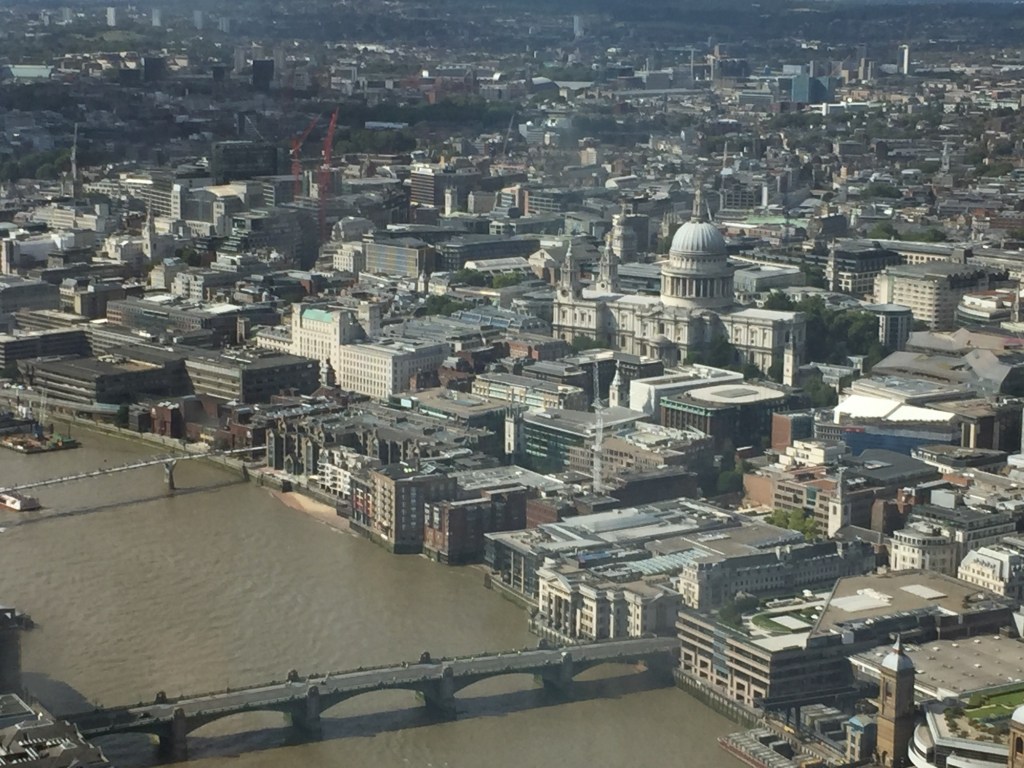
The Thames is London’s greatest gift and its most elegant threat. A tidal river that can turn from postcard to menace with a shift in weather. A boundary, a bloodstream, a fault line.
The city sprawls outward in rings, each one harder to defend than the last. Low‑lying districts sit like offerings to the water. Bridges become chokepoints. Tunnels become traps. A single breach can swallow entire neighbourhoods.
London’s geography doesn’t just allow for apocalypse – it begs it.
Infrastructure Held Together by History and Hope
London runs on Victorian bones and modern ambition. The Tube is a miracle of engineering and a labyrinth of vulnerabilities. Power lines, fibre cables, sewage systems, flood barriers – all of it humming beneath the surface, all of it essential, all of it fragile.
In fiction, the collapse of infrastructure is the first domino. In London, that domino is always within reach.
A stalled train. A blackout. A burst pipe. A signal failure. Londoners already live with the vocabulary of collapse; the apocalypse is just the extended remix.
A City Haunted by Its Own Endings
Few cities wear their scars as openly as London. The Great Fire. The Blitz. The 1665 plague. The constant churn of demolition and rebuilding. Londoners walk through history’s ruins every day, usually without even looking up.
This gives the city a peculiar energy – a sense that catastrophe isn’t hypothetical but cyclical. The apocalypse here doesn’t feel like an aberration. It feels like it could be the next chapter.
A Global Nexus Where Collapse Echoes Outward
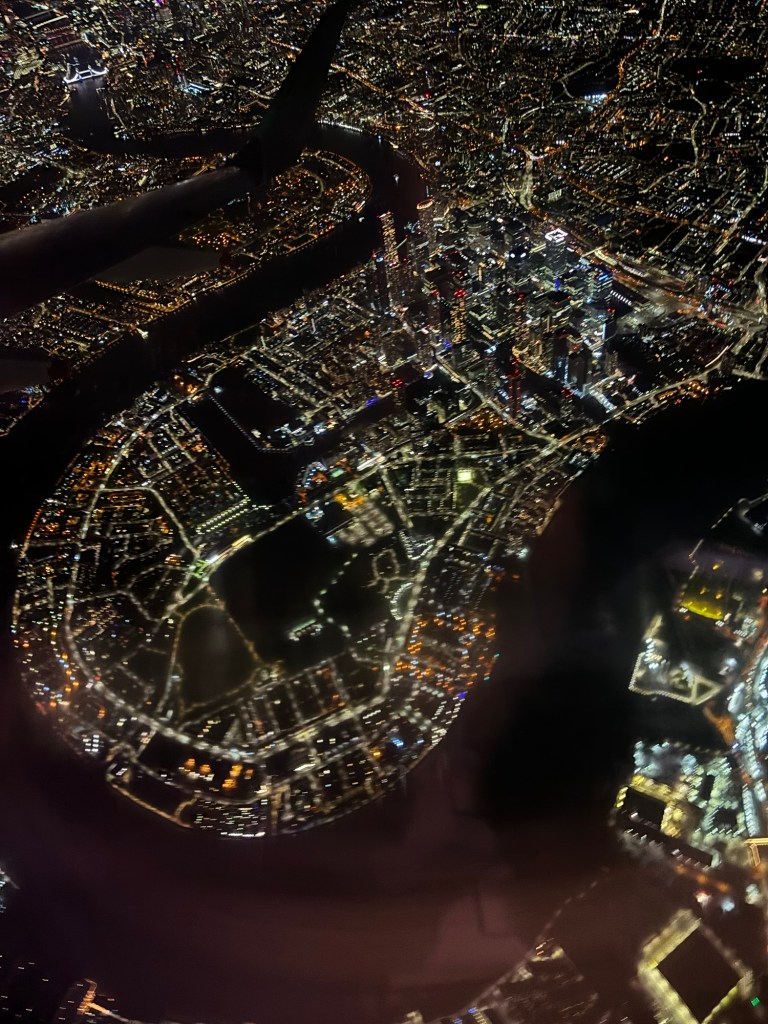
End the world in London and you end it everywhere. The city holds the line that controls global time. It is a hub of politics, finance, culture, and diaspora. A shockwave here ripples across continents.
That’s why writers love destroying London: it’s both intimate and planetary. A single street can represent a global system. A single failure can topple nations. London is a microcosm with megastructure consequences.
Psychology: The Quiet Dread of the Everyday
London has a mood – a low‑frequency buzz of tension that never quite resolves. The weather hangs heavy. The crowds move like tides. The architecture looms. The city is alive with possibility and exhaustion.
There’s a reason dystopian fiction feels at home here. Londoners know the sensation of being overwhelmed, overlooked, and overcharged. The apocalypse is just a more dramatic version of the Monday commute.
Fiction Has Already Destroyed London a Hundred Times
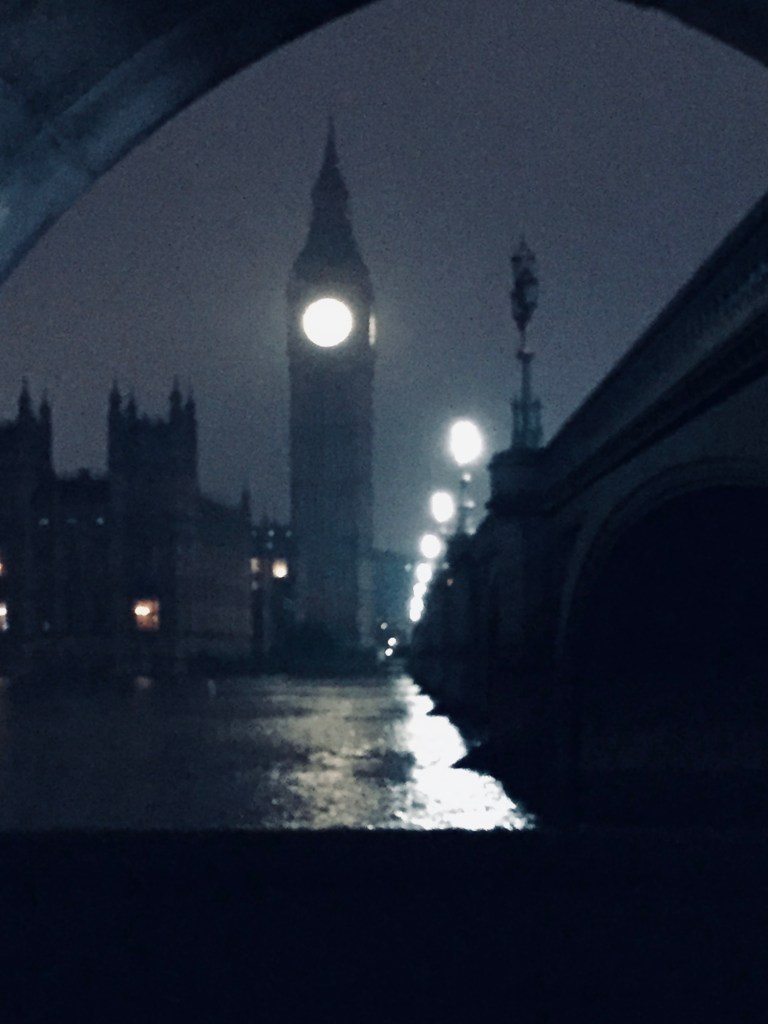
Flooded London. Ruined London. Plague‑stricken London. Magical London. Dystopian London. Writers keep returning to the city’s destruction because it’s endlessly adaptable.
London can be gothic, futuristic, bureaucratic, mystical, or decayed – sometimes all in the same novel. It’s a narrative chameleon, and that makes it irresistible.
Why Writers Keep Coming Back to London’s Ruin

Because London is a symbol of power.
Because London is a symbol of fragility.
Because London is a symbol of us.
Because London is known.
To destroy London is to interrogate civilisation itself – its inequalities, its ambitions, its blind spots, its beauty. The apocalypse becomes a lens, and London becomes the specimen.
The City That Refuses to Die
And yet, for all its fictional endings, London never stays dead. It rebuilds. Reinvents. Reasserts itself. The city is a phoenix in stone and glass, rising again and again with ash still on its wings.
That’s why London is the perfect city to end the world: because it knows how to begin again.
All photographs in this post were taken by the site’s owner.


 Ravens Watch
Leave a comment