About The Watch
London is a city built on stories – stories of creation, ambition, and survival. But woven through its history is another thread: destruction. Writers have imagined London’s downfall in every possible form, from alien heat‑rays to creeping plants, from rising seas to silent pandemics. RavensWatch is a place to explore those visions.
A City That Falls Beautifully
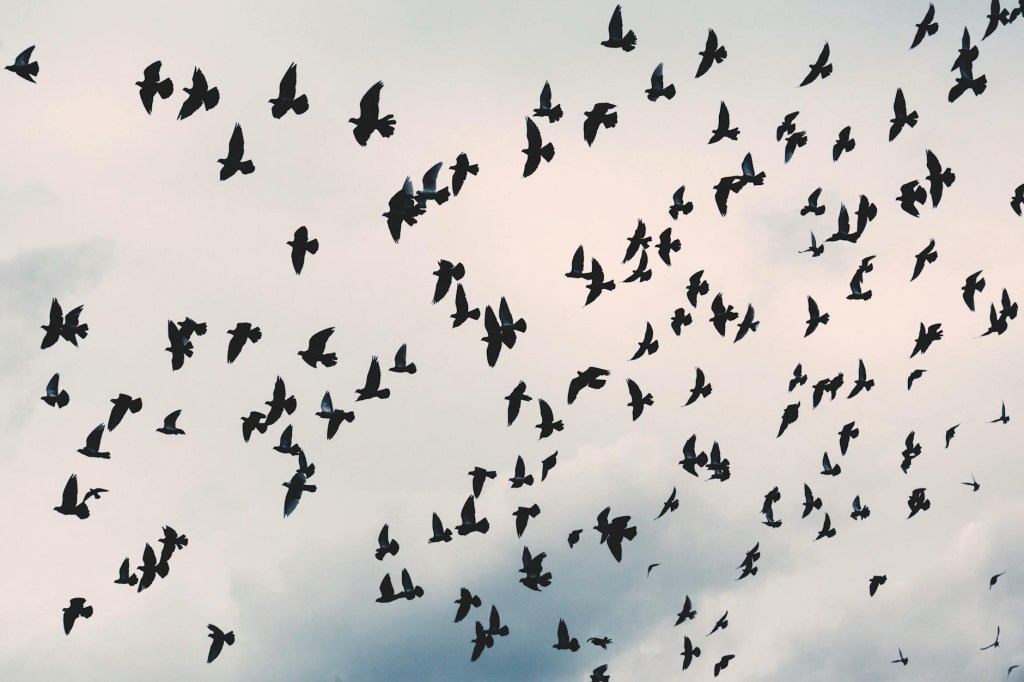
There is something compelling about watching a familiar city pushed to its limits. London’s bridges, towers, and streets become symbols of fragility and resilience. Each novel offers a different lens: fear, hope, satire, warning. RavensWatch gathers these works together, tracing how authors across decades have imagined the city’s darkest hours.
What This Project Does
RavensWatch reviews the books that break London apart – thoughtfully, critically, and with an eye for how they fit into the wider tradition of British catastrophe fiction. It also maps key events, tracks recurring themes, and builds connections between stories that might otherwise sit alone on a shelf.
Why We’re Drawn to Apocalypse Fiction
Humans have always been fascinated by endings. We build, we create, we expand — but we also imagine what happens when the things we trust begin to fail. Apocalypse fiction lets us rehearse fear in a safe place. It gives shape to anxieties that are usually shapeless: environmental collapse, political instability, technological overreach, the fragility of cities, the fragility of people.
These stories offer clarity in a world that rarely provides it. A disaster strips away the noise and reveals what matters: survival, loyalty, ingenuity, community, selfishness, hope. When London falls in fiction, it becomes a stage where ordinary people confront extraordinary pressure. The familiar becomes strange. The city becomes a test.
Apocalypse fiction is not really about destruction. It’s about revealing character – of people, of societies, of cities. And London, with its history, density, contradictions, and landmarks, is one of the richest characters a writer can break apart.
The Canons We Follow
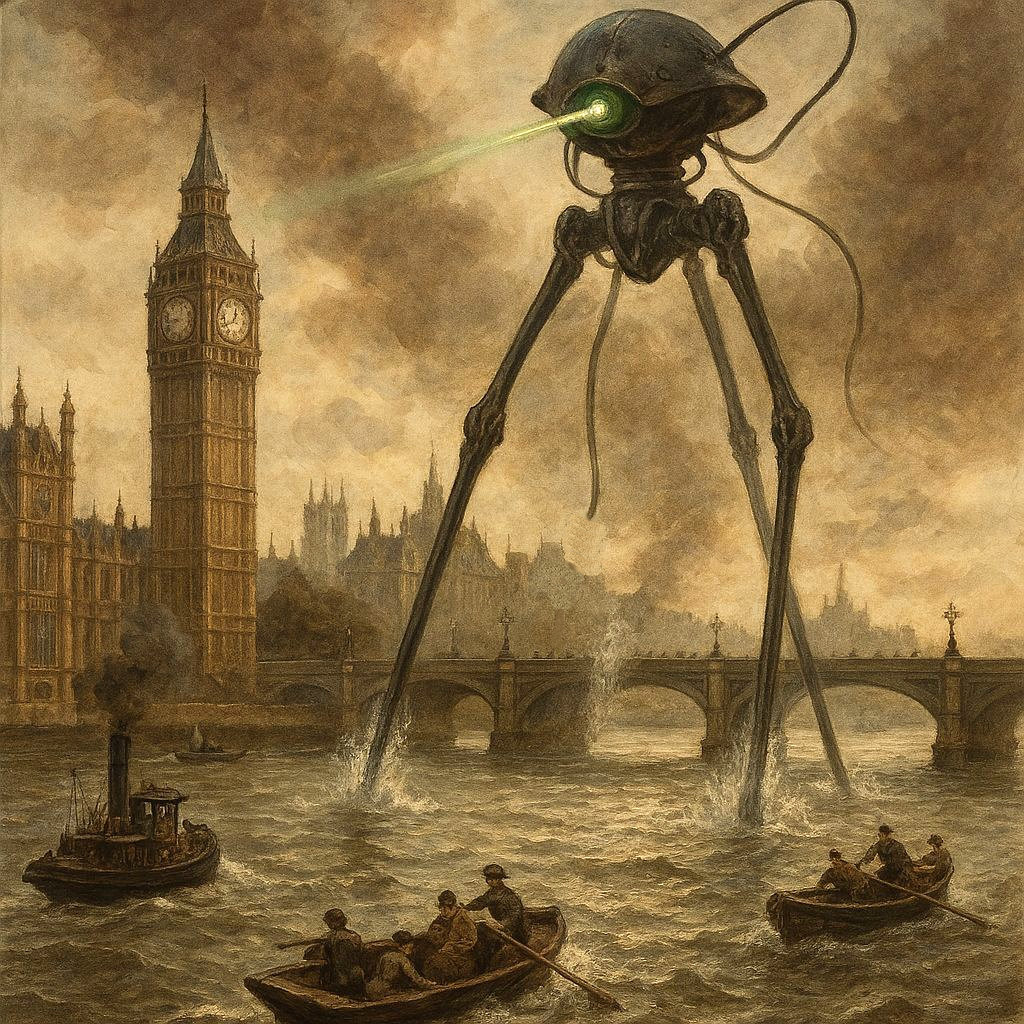
Because writers return to the same fears again and again, apocalypse fiction naturally forms clusters – patterns of collapse that say something about the era that produced them. RavensWatch traces those patterns across decades, building canons that show how London has been destroyed, threatened, or transformed in fiction.
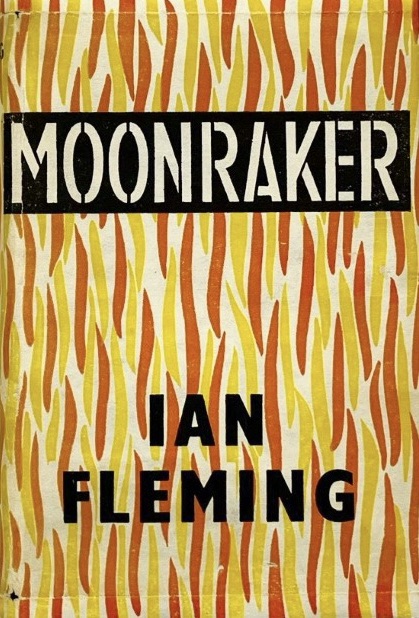


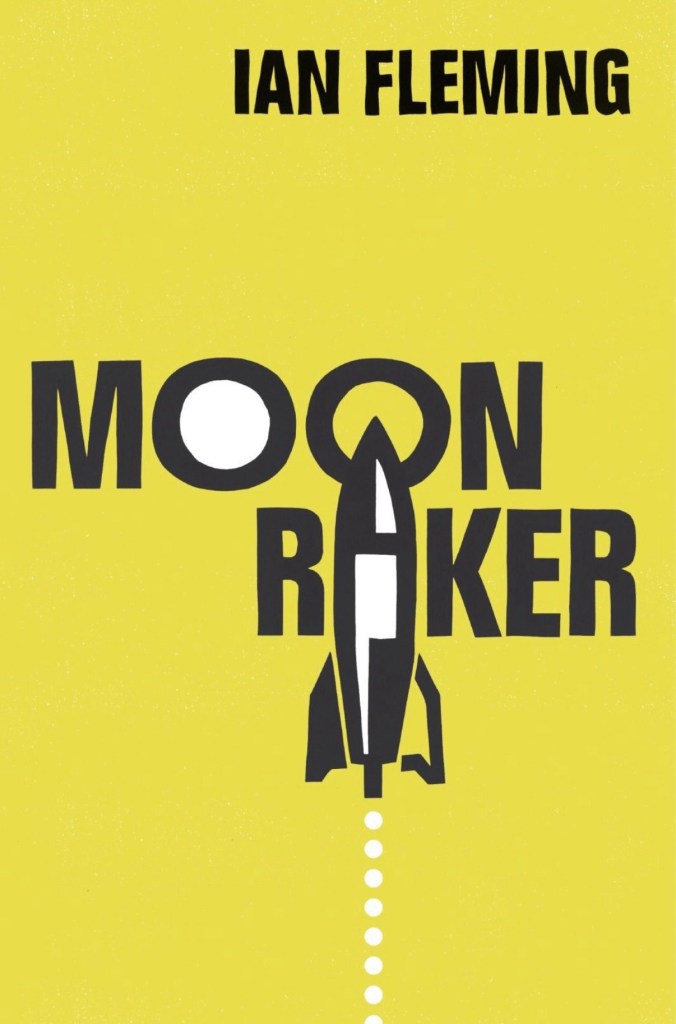
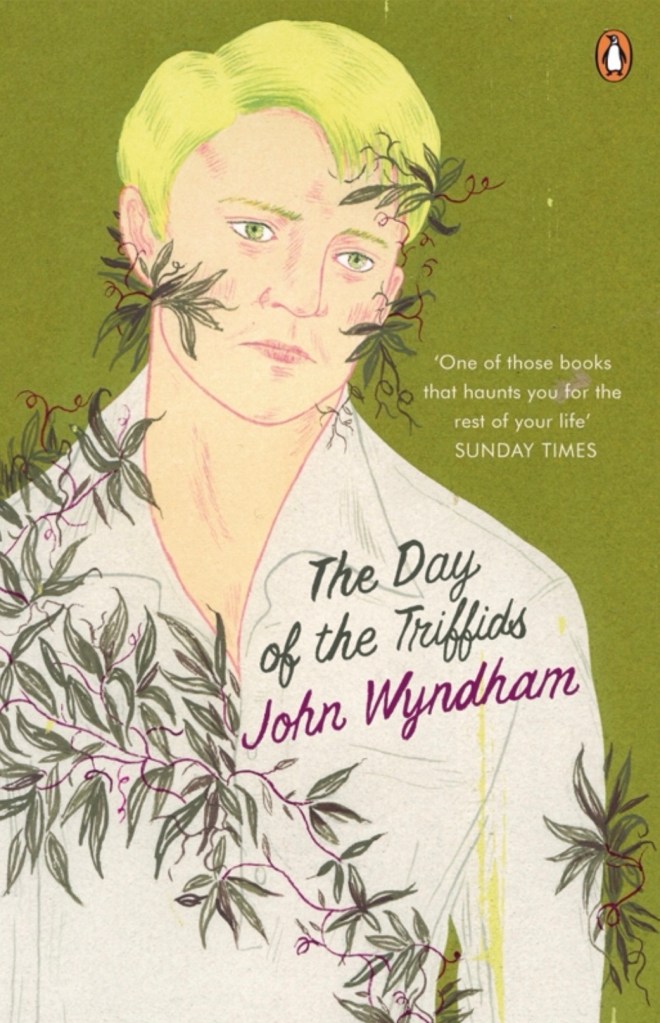
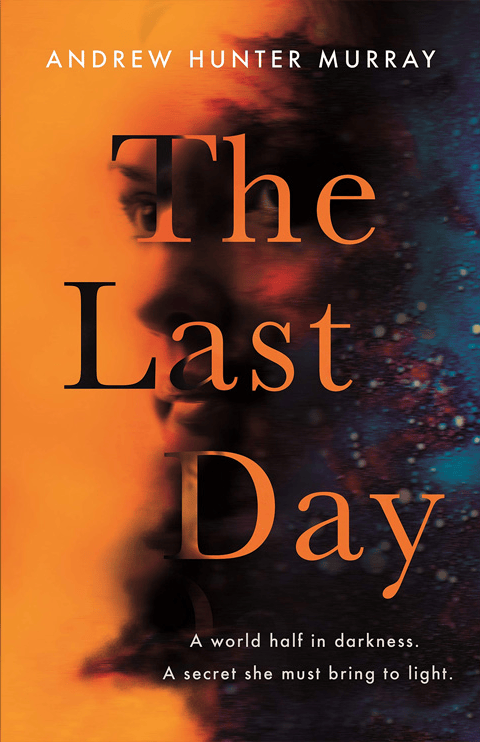
Each canon explores a different anxiety:
- Classic London Catastrophes →
Mid‑century visions of collapse - Modern London Collapse →
Contemporary fears and futures - Adjacent Canon →
Stories that sit near the tradition – quiet fears, near‑misses, and wider catastrophes that brush against London’s collapse.
These canons aren’t genres. They’re ways of understanding what scares us, and what those fears say about the world that produced them.
RavensWatch reviews the books inside these canons, maps their events, and connects their themes — building a coherent picture of how London falls, and why we keep imagining it.
Ravens
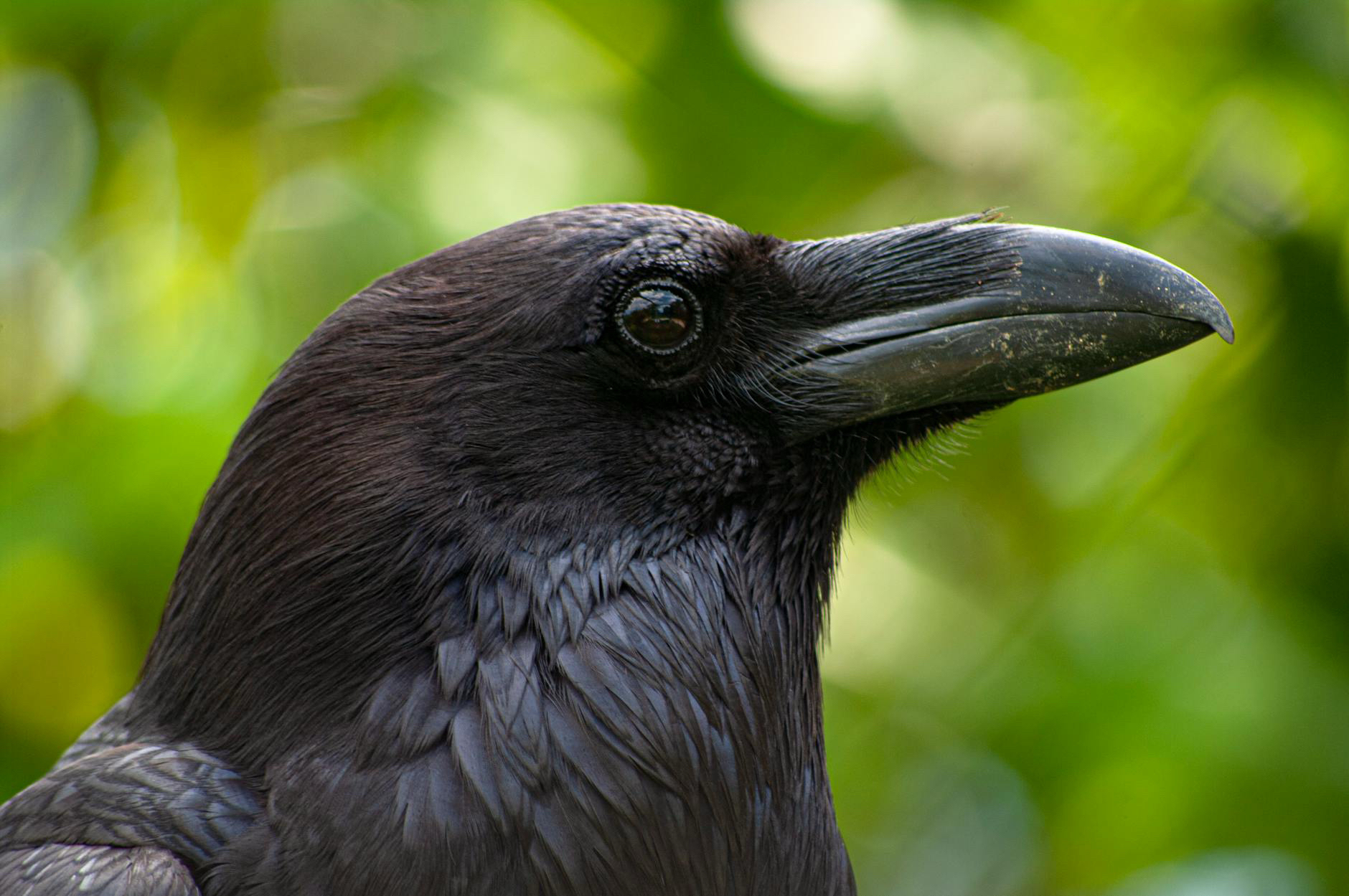
The Tower of London is famously home to a group of ravens, also known as an unkindness of ravens. They are believed to be protectors of the fortress and the kingdom. Legend says that if the ravens ever leave, the Tower and the monarchy will fall. This belief is deeply ingrained in the Tower’s history and traditions, with Charles II being the first monarch recorded to have taken measures to ensure their presence.
The bird is often seen as a bearer of bad news in literature. Edgar Allan Poe wrote the poem The Raven in 1845, and the phrase “Dark Wings, Dark Words” comes from Game of Thrones by George R. R. Martin.