
Sherlock Holmes steps away from the world of criminality and into the shadows of espionage. State security is threatened when top‑secret plans for an advanced military submarine vanish from a secure military facility in east London. This review looks at London’s most famous consulting detective as he works to protect Queen and country.
Author: Sir Arthur Conan Doyle
Published: 1908 – UK: The Strand Magazine | USA: Collier’s
Cause: Threat from stolen military plans
Opening Sentence: In the third week of November, in the year 1895, a dense yellow fog settled down upon London.
TL;DR
A fog‑soaked espionage mystery in which Holmes and Watson race to recover stolen submarine plans that could compromise Britain’s defence and expose London to danger.
What’s It About
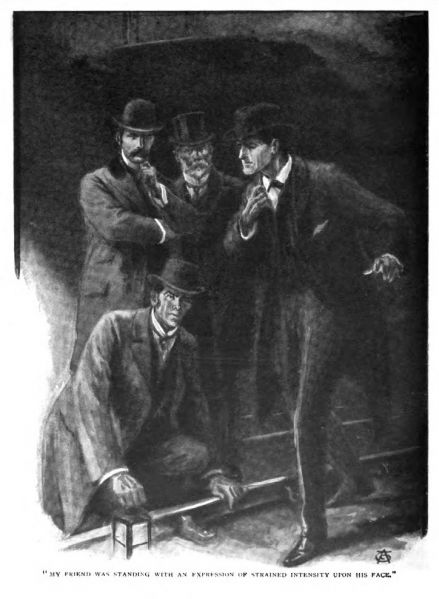
A young clerk is found dead beside the Underground tracks. The papers he carried – plans for a revolutionary military submarine – are missing. Holmes and Watson must determine whether the British Empire’s most sensitive naval secret has slipped into enemy hands.
Review
As with many Holmes stories, we begin in 221B Baker Street with Watson observing Holmes pacing like a caged animal. The thick London fog presses against the windows, making the famous drawing room feel even more claustrophobic. This room has been reimagined endlessly in film and television, but Doyle’s original remains the most atmospheric: two men in a fog‑bound city, waiting for their next case.
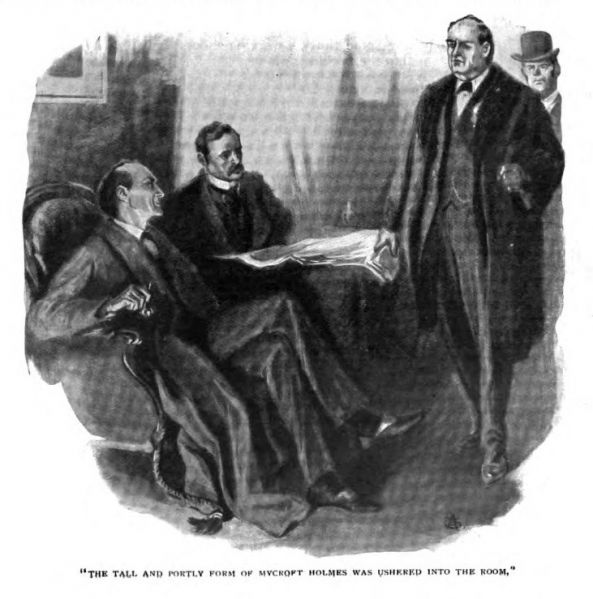
It is Mycroft – Holmes’s brother and the government’s human supercomputer – who breaks the monotony. His arrival is described by Holmes as Jupiter descending, a line that captures both the gravity of the situation and Mycroft’s own planetary self‑importance. When Mycroft appears, the stakes are never small.
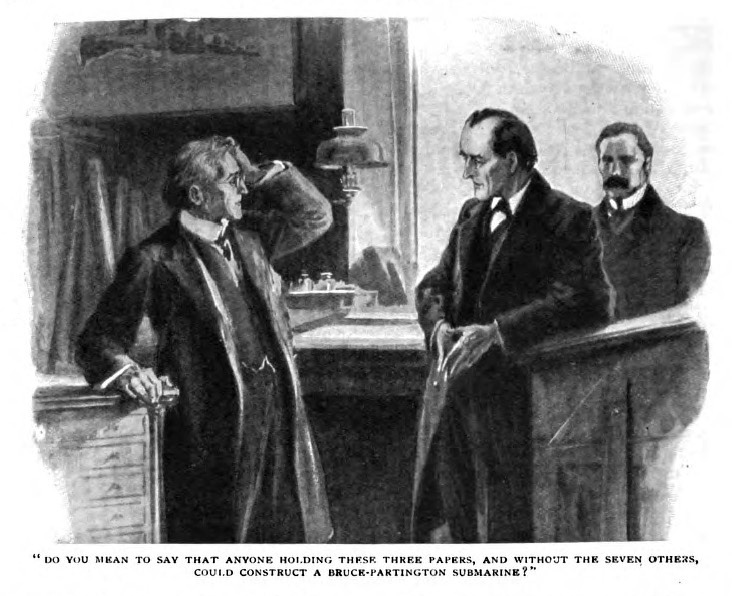
The death of the clerk is suspicious enough, but the real danger lies in what he carried. The missing Bruce‑Partington submarine plans represent the cutting edge of naval warfare. At the time of writing, Britain’s first operational submarines were barely launched, and their stealth capabilities were seen as almost science‑fiction. Losing such plans would be equivalent to leaking nuclear codes today – a silent catastrophe.
This is why the story earns its place in the RavensWatch canon of London Falling books. Like Fleming’s Moonraker, it’s about the people who protect London from threats the public never sees. No aliens, no monsters – just the quiet terror of espionage and the vulnerability of a capital city that assumes it is safe.
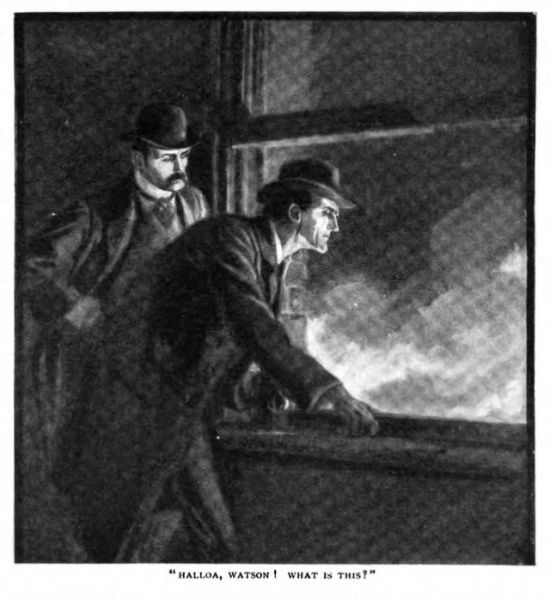
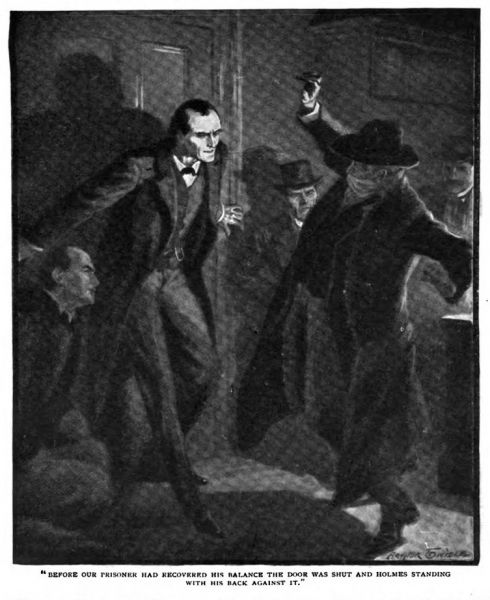
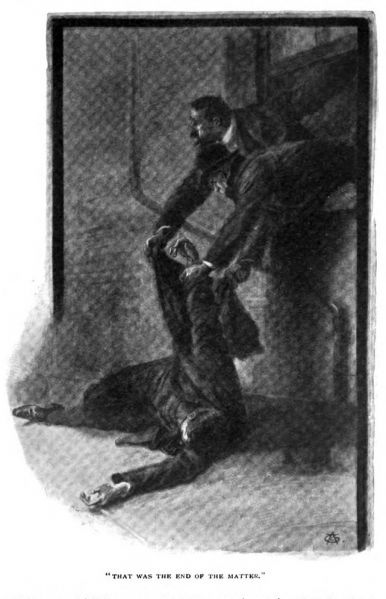
Watson’s narration is essential. Unlike Christie’s solitary sleuths – Poirot in his armchair, Miss Marple in her village – Doyle gives Holmes a witness, a heartbeat, a companion. Watson doesn’t simply observe; he stands beside Holmes in the fog, letting us feel the urgency rather than merely watch it.
London itself is a character. Holmes once said: “It is a hobby of mine to have an exact knowledge of London.” In this adventure we move from east to west: Woolwich Arsenal, government offices, the river, the docks, the Underground. Woolwich’s military history is woven into the plot, and it’s around this era that the Woolwich Reds became Woolwich Arsenal – the club that would later move north and become the Arsenal we know today.
As a magazine‑printed story, this is short, sharp, and engaging. It’s widely available for free and remains one of the stronger Holmes adventures, complete with an appearance from Inspector Lestrade.
Who Is This Book For
- Readers building a London‑danger canon — those who enjoy stories where the city’s safety hangs on quiet, unseen work.
- Fans of espionage‑flavoured Holmes stories — readers who like Holmes operating in the shadows of government and military secrecy.
- Anyone who enjoys fog‑choked Victorian London — atmospheric streets, railway sidings, and bureaucratic corridors.
- Readers who prefer short, punchy mysteries — tight pacing, compact stakes, and no wasted motion.
- Fans of Mycroft’s rare but weighty appearances — those who appreciate the colder, more strategic side of the Holmes universe.
Verdict Box
High Concept: A Victorian espionage mystery centred on stolen submarine plans and the quiet machinery of national security.
Execution: Compact, atmospheric, and tightly focused — a mystery that moves with purpose and never overstays its welcome.
Characters: Holmes is precise and observant; Mycroft is cool, decisive, and quietly formidable; the supporting cast serves the investigation cleanly.
World‑Building: Fog‑laden London, government offices, railway yards, and the bureaucratic underbelly of the Empire — all rendered with crisp, grounded detail.
Pace: Fast, efficient, and quietly tense, with the investigation unfolding in sharp, deliberate steps.
Final Thought
Holmes stories rarely shout their danger; they whisper it. The Bruce‑Partington Plans is a reminder that London’s greatest threats often come not from monsters or machines, but from envelopes, secrets, and shadows.
Book cover
As the story was published in a newspaper/magazine there is no front cover. This is an AI mock-up of a front cover which I have created with Copilot.
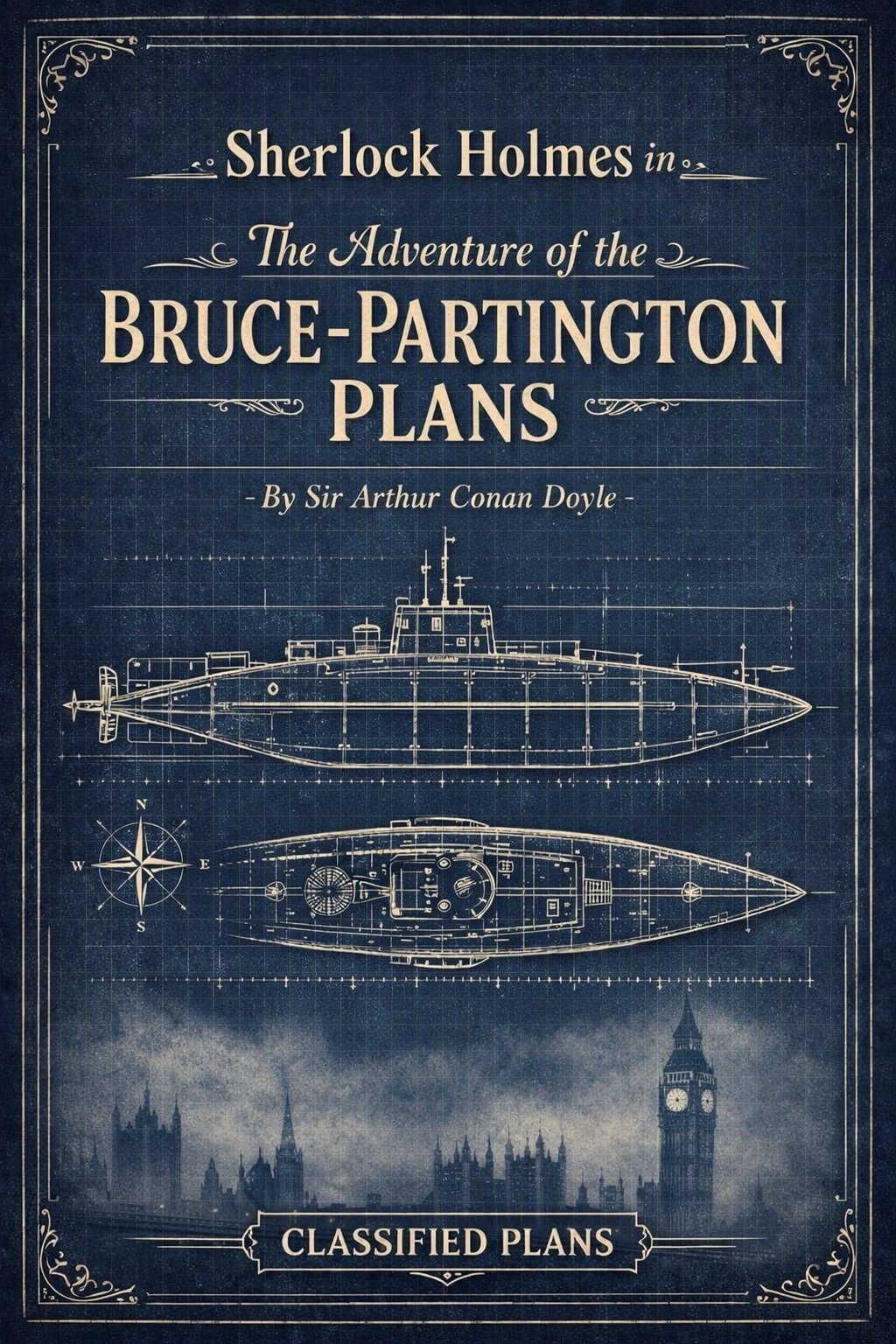
Read free: The Adventure of the Bruce‑Partington Plans on Project Gutenberg



Leave a Reply